
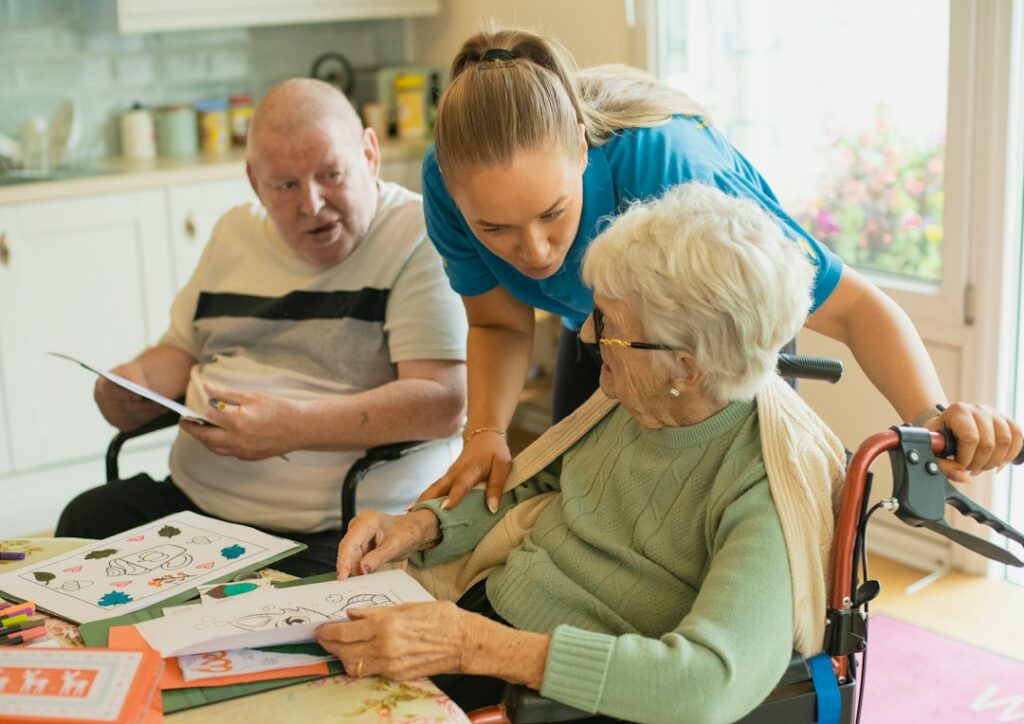
Assisted living communities are designed to respond to urgent medical, environmental, and safety situations through trained staff, written procedures, communication systems, and coordination with emergency responders. The exact response depends on the type of emergency, the resident’s condition, and whether the situation can be safely managed inside the community.
For residents and families in Montoursville, understanding these procedures can make emergency planning less stressful and help clarify what assisted living can—and cannot—provide.
What happens during a medical emergency?
A medical emergency usually begins with a staff member assessing the resident, providing immediate assistance within their training, and deciding whether emergency medical services are needed. Staff may check responsiveness, breathing, visible injuries, symptoms, and changes from the person’s usual condition.
Emergency services may be contacted for warning signs such as:
- Chest pain, severe shortness of breath, or signs of a stroke
- Loss of consciousness or a major change in alertness
- Serious falls, head injuries, uncontrolled bleeding, or suspected fractures
- Severe allergic reactions
- Sudden weakness, confusion, or difficulty speaking
- Blood sugar emergencies or other urgent symptoms identified in the care plan
Staff generally follow the resident’s documented preferences and emergency instructions while seeking immediate medical help. A designated employee may stay with the resident, gather medication information, and provide details to responding paramedics.
Families are often notified after emergency services have been contacted or once the resident is stable enough for staff to communicate accurately. The timing may vary depending on the seriousness of the event and the need to avoid delaying treatment.
How are falls handled?
Falls are among the most common emergencies in older adults. Staff should not automatically lift a resident after a fall, particularly if there may be a head, neck, back, or hip injury.
The usual response includes checking for pain, bleeding, confusion, dizziness, and movement problems. Staff may ask what happened and whether the resident struck their head. If an injury is suspected, the resident may remain in place until emergency responders assess the situation.
Even when no obvious injury is present, staff typically observe the resident for delayed symptoms and document the event. A care plan may then be reviewed to consider changes such as:
- Additional supervision
- Safer footwear or mobility equipment
- Improved lighting
- Removal of tripping hazards
- Medication review by the resident’s medical provider
- Changes to walking, transferring, or toileting assistance
A fall that appears minor should not be dismissed. Older adults may develop pain, bleeding, or confusion hours after an incident.
What happens during severe weather?
Weather emergencies in the region may include winter storms, freezing temperatures, ice, heavy rain, flooding, wind damage, and extended power interruptions. Assisted living communities generally use emergency plans that address sheltering, backup power, food, water, heating or cooling, medication access, and communication with families.
During a winter storm, staff may restrict unnecessary outdoor movement, monitor indoor temperatures, check for icy walkways, and help residents remain hydrated and warm. If a resident must leave the building for medical care, transportation may require additional planning because road conditions can change quickly.
During a power outage, emergency procedures may include checking elevators, medical equipment, lighting, heating or cooling systems, refrigerators, and communication devices. Residents who depend on oxygen equipment, powered beds, mobility devices, or refrigerated medications may need special arrangements identified in advance.
Families should understand that a community may temporarily limit visitors during hazardous conditions. This is usually intended to reduce travel risks, preserve clear access for emergency vehicles, and keep staff focused on resident care.
How are fires and building evacuations managed?
Fire and evacuation plans are based on the building’s layout, the resident’s mobility, and the location of the hazard. Staff may use alarms, overhead announcements, direct instructions, or other alert systems to move residents away from danger.
Not every emergency requires the entire building to leave at once. A community may use a staged evacuation, moving residents first to a safer part of the building and then outside if needed. Residents who walk independently may be directed to leave promptly, while those who use wheelchairs, walkers, or transfer assistance may need individualized support.
An emergency plan should identify residents who need help with:
- Hearing or seeing alarms
- Walking long distances
- Using stairs
- Transferring from a bed or chair
- Managing confusion or anxiety
- Bringing essential medications or personal equipment
Evacuation drills help staff identify practical problems before a real event occurs. Residents and families may ask how often drills are conducted and how the plan accounts for people who cannot evacuate independently.
How does assisted living handle missing or wandering residents?
If a resident leaves an expected area or cannot be located, staff generally begin a prompt search while following the community’s safety procedures. The response may include checking the building, outdoor areas, recent activity, common destinations, entrances, and exit points.

If the resident is at risk because of memory loss, extreme weather, medical needs, or poor mobility, emergency responders may be contacted quickly. A current photograph, clothing description, medical information, and known walking patterns can help responders search more effectively.
Families can assist by keeping contact information, photographs, medication lists, and relevant behavioral details updated. Information about favorite routes, familiar objects, or phrases that calm the resident may also be useful during a stressful search.
Who communicates with family members?
Most communities maintain an emergency contact list and identify who is authorized to receive updates. Staff may communicate by telephone, text message, electronic portal, or another established method.
Families should provide more than one contact person whenever possible. Contact information should be updated after changes in phone numbers, addresses, work schedules, or family responsibilities.
A useful emergency information packet may include:
- Primary and alternate contacts
- Physician and pharmacy information
- Medication and allergy details
- Insurance information
- Advance directive or health care representative documents
- Preferred hospital information, when applicable
- Hearing, vision, language, or communication needs
During a large-scale emergency, communication may be delayed. A lack of immediate contact does not necessarily mean that no action has been taken; staff may be caring for residents, coordinating transportation, or working with emergency responders.
What can families ask before an emergency occurs?
The most useful questions focus on procedures rather than promises. Families may ask:
- How are families notified after a medical emergency?
- What happens if the power goes out?
- How are residents with mobility limitations evacuated?
- What backup exists for essential medical equipment?
- How are medications managed during an evacuation?
- How are emergency contacts and health documents updated?
- What happens if roads are unsafe for visitors or transportation?
- How does the community handle a missing resident?
- Where would residents go if the building could not be occupied?
Residents should also keep personal emergency information current and tell staff about changes in mobility, memory, medical conditions, allergies, or communication preferences. In Montoursville, seasonal weather can affect travel, utilities, and access to outside medical care, so emergency planning should account for conditions that may delay transportation or family arrival.
Assisted living provides supervision and support, but it is not the same as a hospital or skilled nursing facility. A resident with complex medical needs may require emergency treatment, hospitalization, or a higher level of care. Clear plans, current information, and realistic expectations help staff and families respond more effectively when urgent situations arise.
