
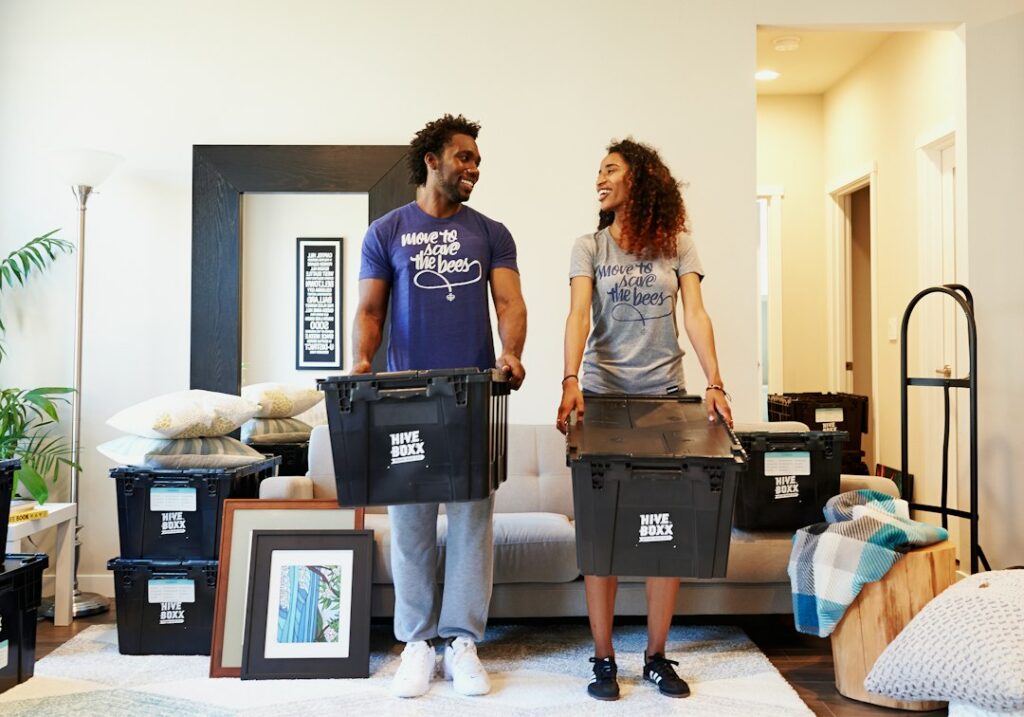
Moving into assisted living is easier when belongings are chosen for daily comfort, safety, and simplicity. The goal is not to recreate an entire household, but to bring familiar items that fit the new living space and support the resident’s routines.
In Montoursville, PA, seasonal changes also deserve attention. Warm clothing, rain gear, and practical footwear can be useful throughout the year, while bulky items should be limited if storage space is modest.
What should be packed first?
Start with items needed for the first few days, then add comfort items and extras after the room is organized. Packing by category helps prevent important belongings from getting buried in boxes.
A useful first-day group may include:
- Identification and insurance cards
- Medication information and current medical records
- Several complete outfits
- Toiletries and personal hygiene supplies
- Eyeglasses, hearing aids, dentures, and related cases
- A phone, charger, and emergency contact list
- Comfortable sleepwear
- Shoes that are easy to put on and have secure soles
- A favorite blanket, pillow, or small personal item
Keep these items in a clearly labeled bag or small suitcase rather than placing them in a moving box. This makes the first evening less stressful.
How much clothing is enough?
Most residents need enough clothing for about one to two weeks, depending on laundry arrangements and personal habits. Packing too much can make drawers crowded and make it harder to see what is available.
Choose comfortable clothing that is easy to identify and maintain. Good options often include:
- Elastic-waist pants or other easy-care bottoms
- Shirts and sweaters suitable for layering
- Undergarments and socks
- Nightwear
- A light robe or cardigan
- A washable jacket or coat
- Non-slip slippers with a secure heel
- Supportive walking shoes
- Clothing suitable for appointments or family gatherings
- A hat, gloves, and warm outerwear for colder weather
Label clothing with the resident’s name, especially if laundry is handled by staff or clothing may be placed in a shared laundry process. Sew-in labels or permanent fabric markers are generally more reliable than loose paper tags.
Pack clothing for the resident’s actual routine rather than an imagined lifestyle. If most days are casual, there is no need to bring a large formal wardrobe. A few dressier outfits are usually sufficient.
What toiletries and bathroom supplies are useful?
Bring familiar personal-care items unless the residence supplies them. Products that are used every day should be easy to reach and simple to recognize.
Common supplies include:
- Toothbrush, toothpaste, and denture-care items
- Comb, brush, or electric shaver
- Shampoo and body wash
- Moisturizer and lip balm
- Deodorant
- Nail-care supplies
- Tissues
- Incontinence supplies, if needed
- Preferred cosmetics or grooming items
- A bathrobe and several washcloths
Avoid bringing large quantities at first. A smaller supply allows the resident and family to see what fits comfortably in the bathroom and what may be provided as part of the living arrangement.
If the resident has allergies, sensitive skin, or special hygiene needs, those details should be clearly communicated during the move-in process.
How should medications and medical equipment be handled?
Medication should not simply be packed into a suitcase without checking the residence’s medication procedures. Assisted living communities often have specific rules for storage, administration, packaging, and documentation.
Before move-in, prepare an up-to-date list that includes:
- Medication names
- Dosages
- Times taken
- Allergies
- Over-the-counter products
- Vitamins and supplements
- As-needed medications
- Relevant medical conditions
Keep prescription bottles in their original containers unless the residence gives different written instructions. Do not place loose pills in unmarked bags.
Medical equipment may include a walker, cane, wheelchair, blood-pressure monitor, glucose supplies, oxygen equipment, or hearing-aid accessories. Mark equipment with the resident’s name and confirm that it fits safely in the room. Extra cords, batteries, chargers, and replacement parts can be easy to overlook.
What personal items make a room feel familiar?
A few meaningful objects can help a new room feel comfortable without creating clutter. Familiar surroundings may also help a resident recognize the space more easily.
Consider bringing:
- Framed family photographs
- A small clock with large numbers
- Favorite books or magazines
- A familiar quilt or throw
- A radio or simple music player
- A calendar
- A small plant, if permitted
- A favorite chair or small piece of furniture, if space allows
- A few well-loved decorations
- A memory box with photographs, letters, or keepsakes

Avoid bringing irreplaceable heirlooms, expensive jewelry, large collections, or items that require complicated maintenance. Sentimental belongings should be selected thoughtfully and documented with photographs when appropriate.
What should be packed for safety and mobility?
Safety-related packing focuses on reducing falls, confusion, and unnecessary obstacles. Shoes should fit securely and provide traction. Clothing should not drag on the floor or create a tripping hazard.
Useful items may include:
- A small, easy-to-read clock
- A night-light if permitted
- A lightweight tote for carrying personal items
- A reacher tool, if already used safely
- A labeled eyeglass case
- A walker basket or pouch, if compatible with the mobility device
- A simple remote control with large, clear buttons
Do not bring loose rugs, unstable stools, complicated extension cords, or furniture that blocks walkways. Electrical items should be limited and arranged so cords do not cross areas where someone walks.
If the resident has memory loss, visual cues such as a large name sign, familiar photograph, or distinctive but safe decoration may help with room recognition. Any item used for this purpose should be approved by the residence and placed without interfering with safety equipment.
Should valuables, documents, and electronics be brought?
Bring only the documents and valuables that are genuinely needed. Important papers should be organized in a secure folder rather than scattered among personal belongings.
Useful documents may include:
- Government identification
- Insurance information
- Healthcare contacts
- Advance directive information
- Power-of-attorney documents
- Emergency contact details
- Medication and allergy lists
- A current photograph
- Preferred pharmacy information
Avoid keeping large amounts of cash in the room. Jewelry and valuable collectibles may be better stored with family unless there is a specific reason to bring them.
For electronics, pack only devices the resident can comfortably use. A phone, tablet, television, radio, or electronic reading device may be helpful, but each should have a labeled charger. A printed list of passwords and instructions should be stored securely rather than left in plain view.
What should not be packed?
Many move-ins go more smoothly when certain items are left behind. These may include:
- Too much furniture
- Large quantities of clothing
- Strongly scented products
- Open-flame candles or heating devices
- Space heaters
- Loose rugs
- Weapons
- Perishable food
- Expensive or irreplaceable valuables
- Unapproved medical devices
- Cleaning chemicals
- Items with small parts that could create a safety concern
Rules can vary by residence, so the packing list should be compared with the community’s current move-in guidelines before boxes are sealed.
How can seasonal packing be managed?
Seasonal items do not all need to be kept in the room at once. In a climate with cold winters, wet spring conditions, warm summers, and changing temperatures, residents may need several layers but not an entire year’s wardrobe on moving day.
Pack current-season clothing first and store the remainder with family when possible. Plan a seasonal exchange for coats, boots, lightweight clothing, and other items. This keeps closets manageable and makes it easier to find what fits the weather.
A final useful step is to create a simple inventory. List clothing, electronics, mobility equipment, and sentimental items. Label containers, photograph valuable belongings, and review the list after the room is arranged. A carefully chosen set of belongings usually provides more comfort than a crowded room filled with things that are rarely used.
