
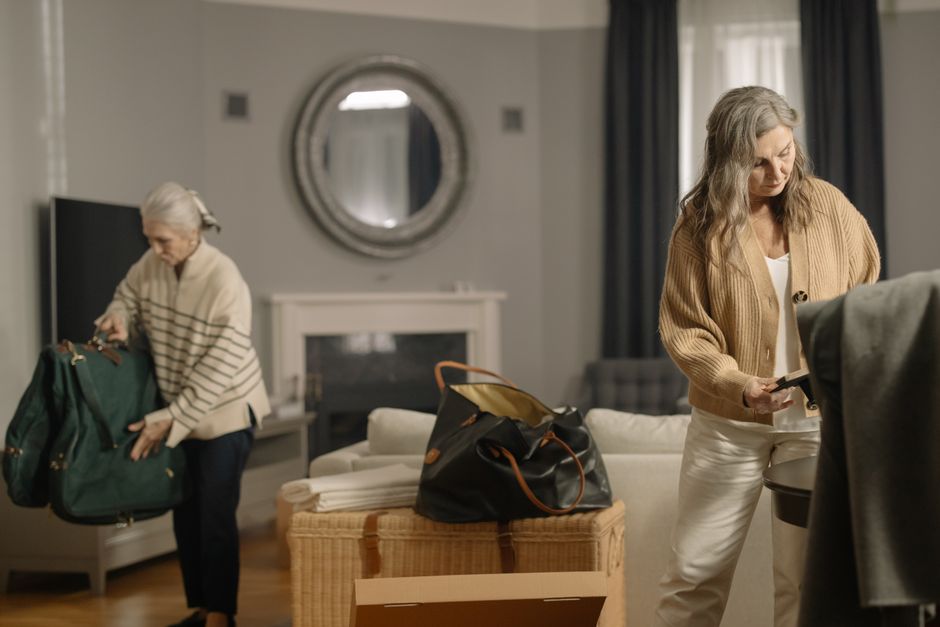
Moving into assisted living can bring relief, uncertainty, sadness, and even frustration—all at the same time. Family support is often most helpful when it focuses on consistency, listening, and helping the resident build a comfortable daily routine rather than trying to make the transition feel instant.
For families in Montoursville, PA, the adjustment may also involve changes in transportation, seasonal routines, household responsibilities, and the distance between home and the assisted living community. The following steps can make the first weeks and months more manageable.
What should family members expect after the move?
The adjustment period often lasts longer than the move itself. A loved one may seem comfortable one day and discouraged the next, particularly after the activity of moving has ended and the new routine becomes more familiar.
Common reactions include:
- Missing a former home, neighborhood, pet, or daily habit
- Feeling less independent or worried about being a burden
- Sleeping differently during the first several weeks
- Comparing the new setting with home
- Becoming quieter, irritable, or unusually emotional
- Feeling uncertain about meals, activities, medications, or personal care
These reactions do not always mean the move was a mistake. They may reflect grief, fatigue, unfamiliar surroundings, or the effort required to learn a new routine. Family members can help by treating these feelings as real without assuming that every difficult day requires a major change.
How can family members provide emotional support?
The most useful emotional support is patient and specific. Instead of repeatedly asking whether the resident “likes it,” ask about particular parts of the day.
Questions such as these often lead to more helpful conversations:
- Which part of the morning feels easiest?
- Have you met anyone you enjoy talking with?
- Is there a place that feels especially comfortable?
- What has been different from what you expected?
- Is there anything in the room that still does not feel familiar?
Listening is usually more valuable than immediately correcting complaints. A resident may need to express disappointment before being ready to discuss solutions. Avoid arguing about whether the new setting is better than the previous home. A response such as, “That change has been difficult, and it makes sense that you miss your old routine,” acknowledges the experience without reinforcing hopelessness.
Family members should also avoid promising that everything will feel normal quickly. A more realistic message is that familiarity usually develops through repeated routines, regular contact, and small positive experiences.
How often should visits and calls happen?
A predictable schedule is generally more reassuring than occasional long visits. The right frequency depends on the resident’s preferences, health, transportation, and family availability, but consistency matters more than creating a demanding schedule.
A simple pattern might include:
- A regular in-person visit on a familiar day
- Short phone or video calls between visits
- A shared meal or walk when the resident feels up to it
- A brief message or photograph that connects the resident with home
Long visits are not always the most helpful. Some residents become tired after extended conversation or feel distressed when family members leave. Shorter, calmer visits may provide better connection during the early adjustment period.
Families living with winter weather, icy sidewalks, heavy rain, or changing daylight should plan visits with safety in mind. A canceled visit can feel disappointing, so explaining the reason and arranging the next contact promptly can reduce worry.
What personal items help a new room feel familiar?
A room usually feels more comfortable when it contains a few meaningful, recognizable items rather than too many belongings. Familiar objects can support memory, conversation, and a sense of personal identity.
Useful choices may include:
- Family photographs with names and relationships written on the back
- A favorite blanket, quilt, or small chair
- Familiar books, music, or religious materials
- A calendar with visits and important events marked clearly
- A clock that is easy to read
- A small collection connected to a hobby
- Favorite clothing that is easy to identify
Safety and practicality should guide what comes into the room. Avoid loose rugs, crowded walkways, unstable furniture, or decorative items that could be mistaken for something else. Ask about room policies before bringing electrical equipment, food, plants, or large furnishings.
Too many changes at once can be overwhelming. It may work better to begin with a few familiar items and add others after the resident has spent time in the room.
How can families support independence without creating risk?
Assisted living is not meant to eliminate every choice. Residents often adjust better when they can continue making decisions about clothing, meals, activities, visitors, bedtime, and personal belongings.
Support independence by offering choices rather than taking over. For example:
- “Would you like to attend the music activity or take a quieter afternoon?”
- “Which sweater would you like to wear?”
- “Would you prefer a morning visit or an evening call?”
At the same time, family members should not ignore serious safety concerns. New falls, medication problems, unexplained weight loss, wandering, severe confusion, repeated nighttime distress, or significant changes in mood should be shared with the appropriate care team. Sudden changes may result from illness, dehydration, medication effects, pain, poor sleep, or other issues that deserve attention.
Independence and safety can exist together when expectations are adjusted to the resident’s current abilities.
What should families do if their loved one refuses activities?
A resident does not need to participate in every group or event. Refusing activities may reflect tiredness, anxiety, hearing difficulty, mobility concerns, unfamiliarity, or a dislike of the activity itself.
Instead of urging participation in a large group, try smaller steps:
- Sitting nearby without joining in
- Attending for only a few minutes
- Choosing a quiet activity
- Inviting one familiar person to visit
- Connecting an activity to a former interest
- Asking staff which times of day seem most comfortable
A person who dislikes crowded rooms may enjoy music in a quieter setting, a short walk, looking through photographs, or helping fold clothing. The goal is not constant activity. Meaningful engagement can also include rest, conversation, prayer, reading, or observing familiar routines.
How should family members communicate with the care team?
Clear, respectful communication helps prevent small concerns from becoming larger problems. Families should share information that may not be obvious from a brief visit, such as sleep patterns, food preferences, communication habits, fears, past routines, and signs that indicate discomfort.
It can help to keep a short record of:
- Questions that need follow-up
- Changes in mood, appetite, sleep, or mobility
- New concerns mentioned by the resident
- Preferences that make care easier
- Topics discussed with staff and any agreed next steps
Family members should speak directly and calmly rather than relying on assumptions. If a concern involves immediate danger, serious illness, abuse, neglect, or a sudden medical change, it should be raised promptly through the appropriate channel.
Communication should also include positive observations. Letting caregivers know what calms the resident, encourages eating, or makes conversation easier can be just as useful as reporting problems.
How can families remain involved over time?
Support should continue after the first month. Once the resident appears settled, regular connection still helps preserve relationships and identify changes early.
Family involvement may include celebrating birthdays, bringing seasonal clothing, sharing photographs, helping organize personal items, or maintaining familiar traditions. In a community with changing weather and distinct seasons, practical support may also involve checking that the resident has suitable outerwear, comfortable footwear, and easy access to preferred personal items.
The strongest support is usually steady rather than dramatic: listening without rushing, keeping promises, respecting preferences, and staying attentive to changes. A loved one does not need family members to make every day perfect. Familiar contact and thoughtful encouragement can help the new setting become part of a life that still includes choice, relationships, memories, and purpose.
